

Biophilic design is evolving beyond visual expression. What began as a movement to bring nature indoors has grown into a more established design discipline, blending neuroscience, sustainability, and multisensory experience to shape how spaces look, feel, and perform.
As design forecasts look toward 2026 and beyond, a clear message emerges. Nature in the built environment is no longer about visual appeal alone. It is increasingly expected to support human experience, environmental performance, and long-term value.
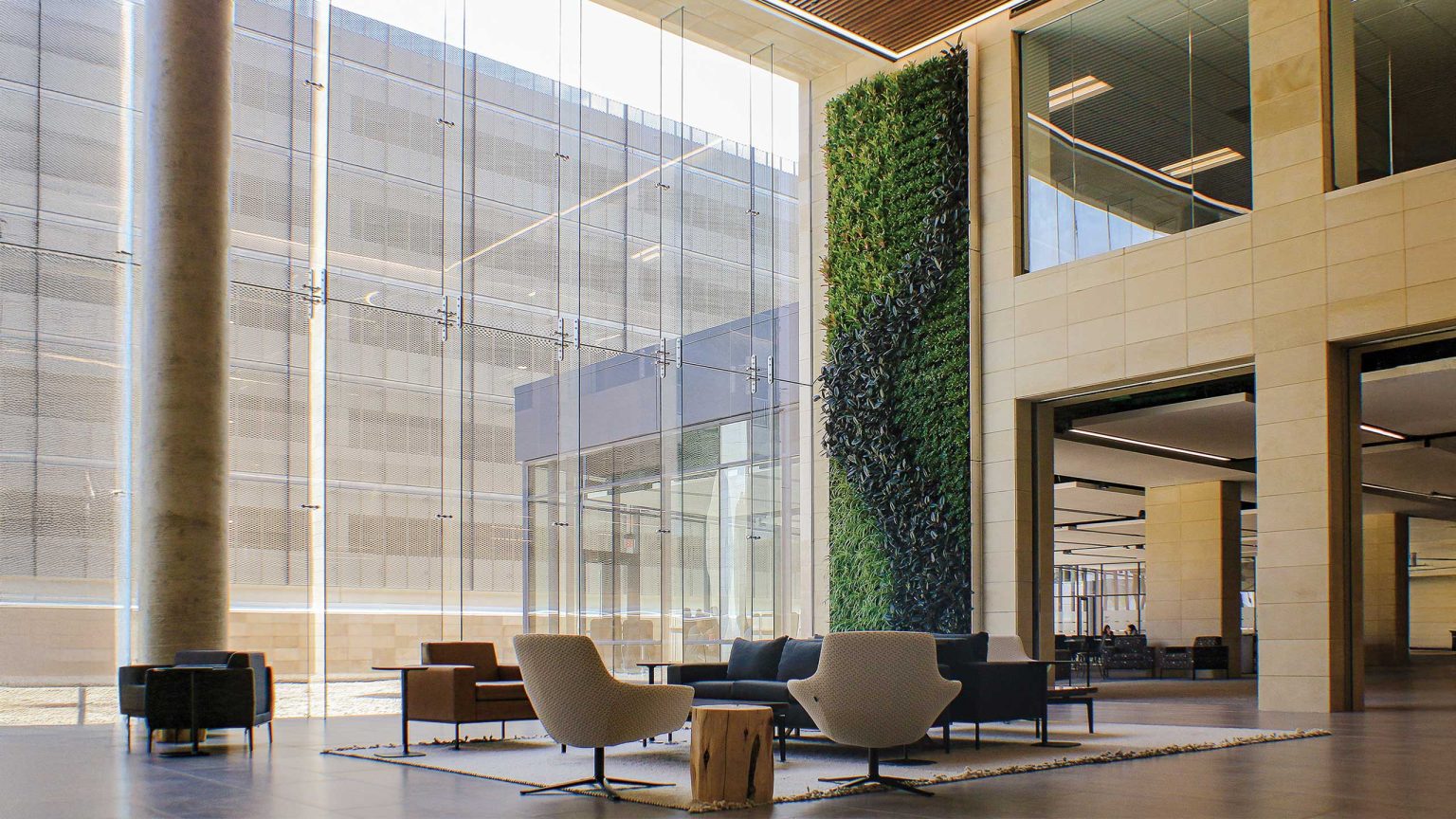
A two-story POD living wall system designed for a medical lobby, bringing biophilic elements into a high-traffic public space.
Across the design industry, experience has become a defining measure of value. Spaces are increasingly evaluated not just by how they look, but by how they support the people who use them day to day.
Biophilic design is increasingly measured not by how a space looks, but by how it supports comfort, focus, and daily experience.
In this context, biophilic design plays a meaningful role. Natural elements can influence comfort, focus, and overall well-being, shaping daily experiences in ways that may be subtle but are consistently felt. This shift reflects a broader evolution in how nature is integrated into design, moving away from purely aesthetic gestures toward more purposeful, experience-driven applications.
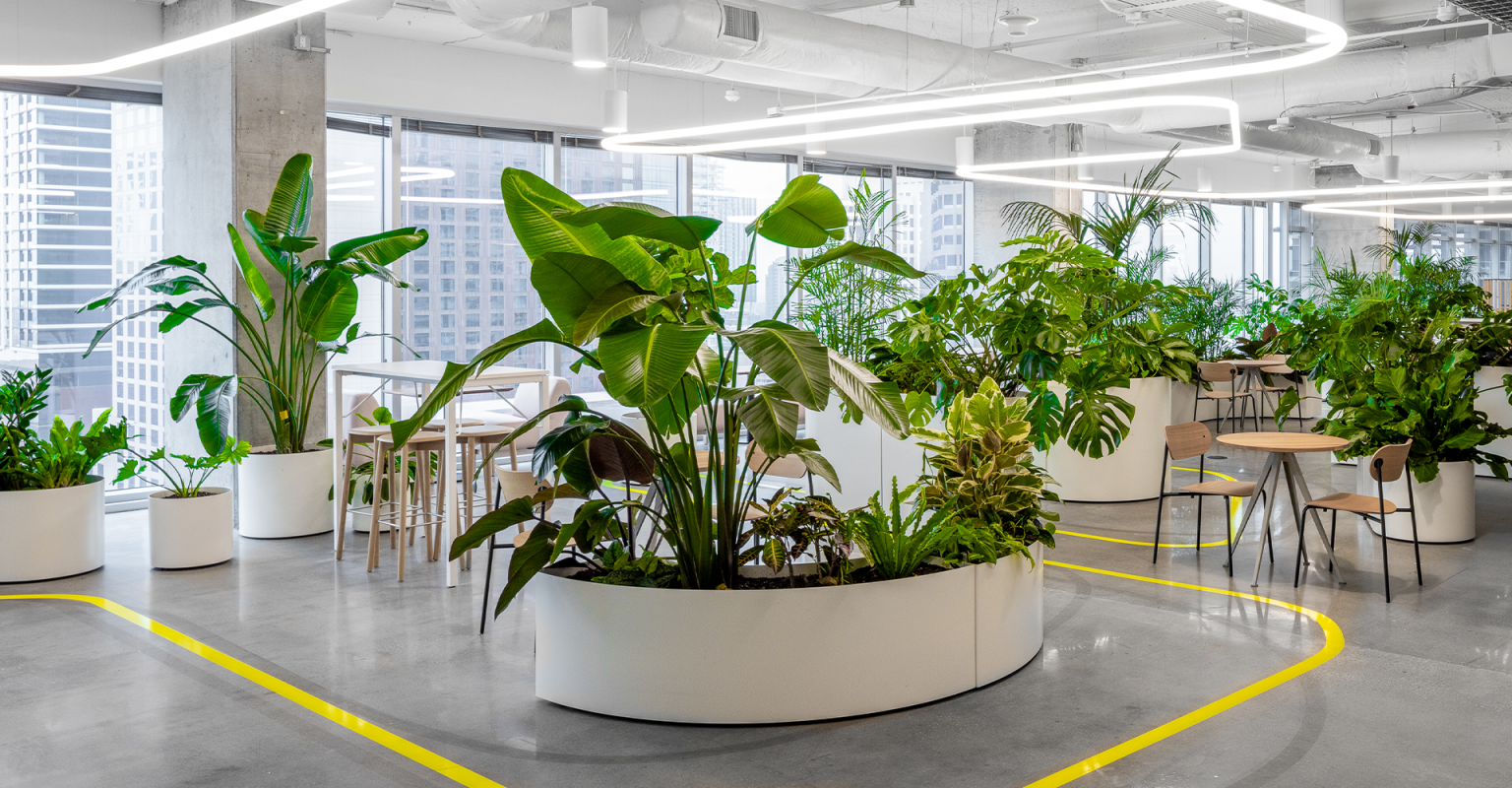
An office planting design using mobile planters to define privacy screens, recharge zones, meeting areas, and flexible layouts.
As expectations continue to rise, biophilic design is moving closer to the core of architectural and interior strategies. Rather than being layered on at the end of a project, natural elements are increasingly considered alongside lighting, acoustics, HVAC, and circulation.
This integrated approach helps ensure that greenery enhances comfort and usability rather than competing with building systems. When nature is considered early in the design process, it tends to feel more cohesive and better aligned with how a space operates.
Treating nature as part of the overall system, rather than as decoration, elevates its role within the built environment. The result is spaces that feel intentional, well-coordinated, and grounded in long-term performance.
A more considered approach to biophilic design also recognizes that not every space benefits from the same strategies. Different environments, uses, and maintenance realities call for different expressions of nature.
Designers are increasingly selective, choosing approaches that align with context, care requirements, and long-term viability. In some cases, preserved materials, natural textures, or biophilic patterns may be more appropriate than living systems, offering many of the same experiential benefits with fewer operational demands.
Longevity remains a central consideration. Thoughtful plant selection, appropriate scale, and clear maintenance planning all play a role in ensuring that biophilic elements continue to support a space well beyond installation.
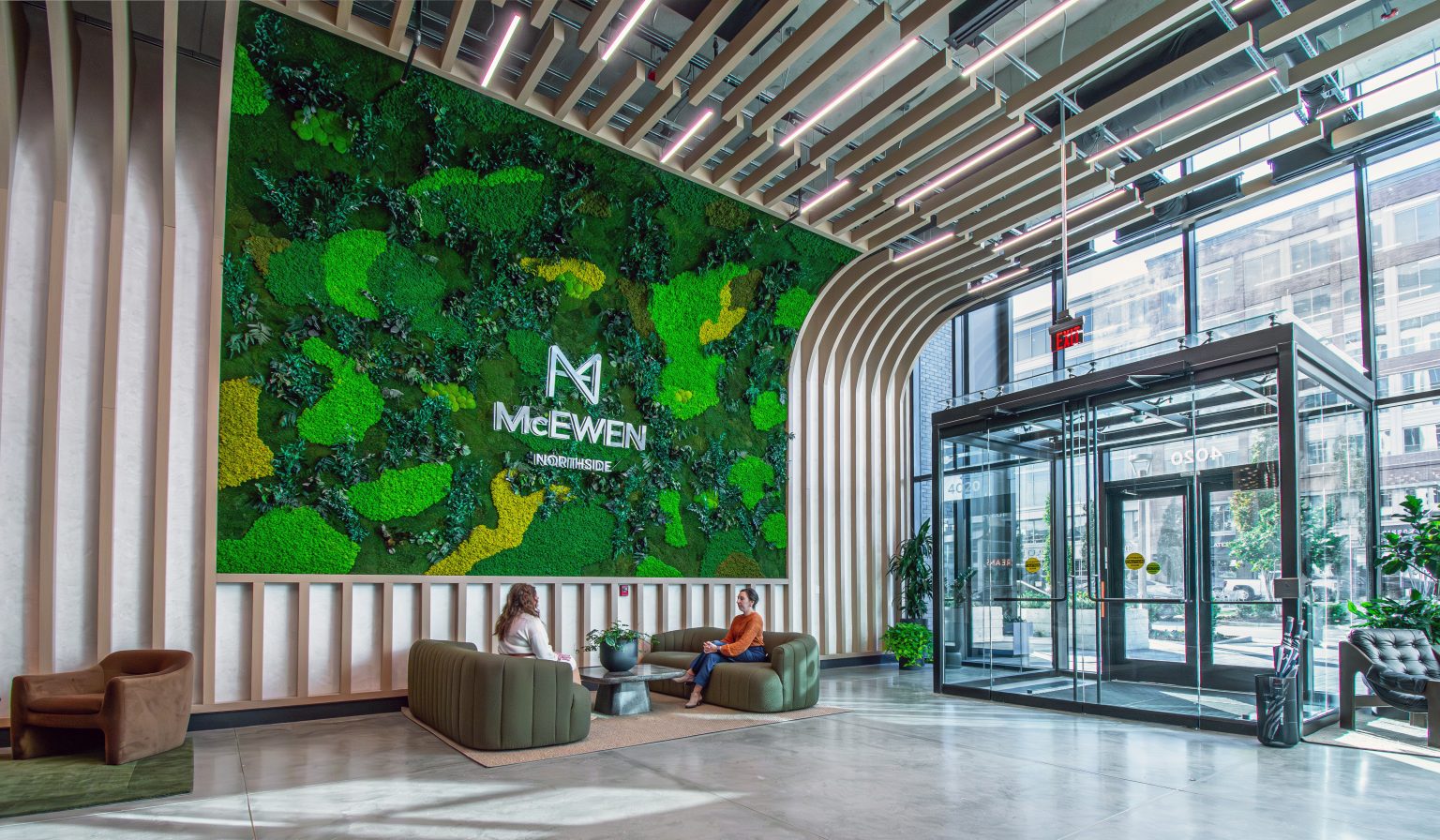
A custom moss wall designed to complement the curved ceiling and surrounding architectural forms.
A new era of biophilic design is taking shape, defined less by symbolism and more by intention and performance. As the industry continues to refine its understanding of nature’s role in the built environment, expectations are shifting toward approaches that are integrated, responsive, and built to last. The most impactful spaces will be those that apply biophilic principles thoughtfully, coordinating natural elements with building systems and long-term use to create environments that are not only visually engaging, but meaningfully supportive of both people and place.