
When architects and designers explore integrating green walls into their projects, one of the first questions asked is: What does it cost? The term “green wall” encompasses a variety of systems, each with unique performance attributes, maintenance demands, and cost structures.
Drawing on nearly twenty years of industry expertise, Green Oasis offers a nuanced, experience-driven perspective on pricing and value. This article focuses on the critical factors shaping the cost of
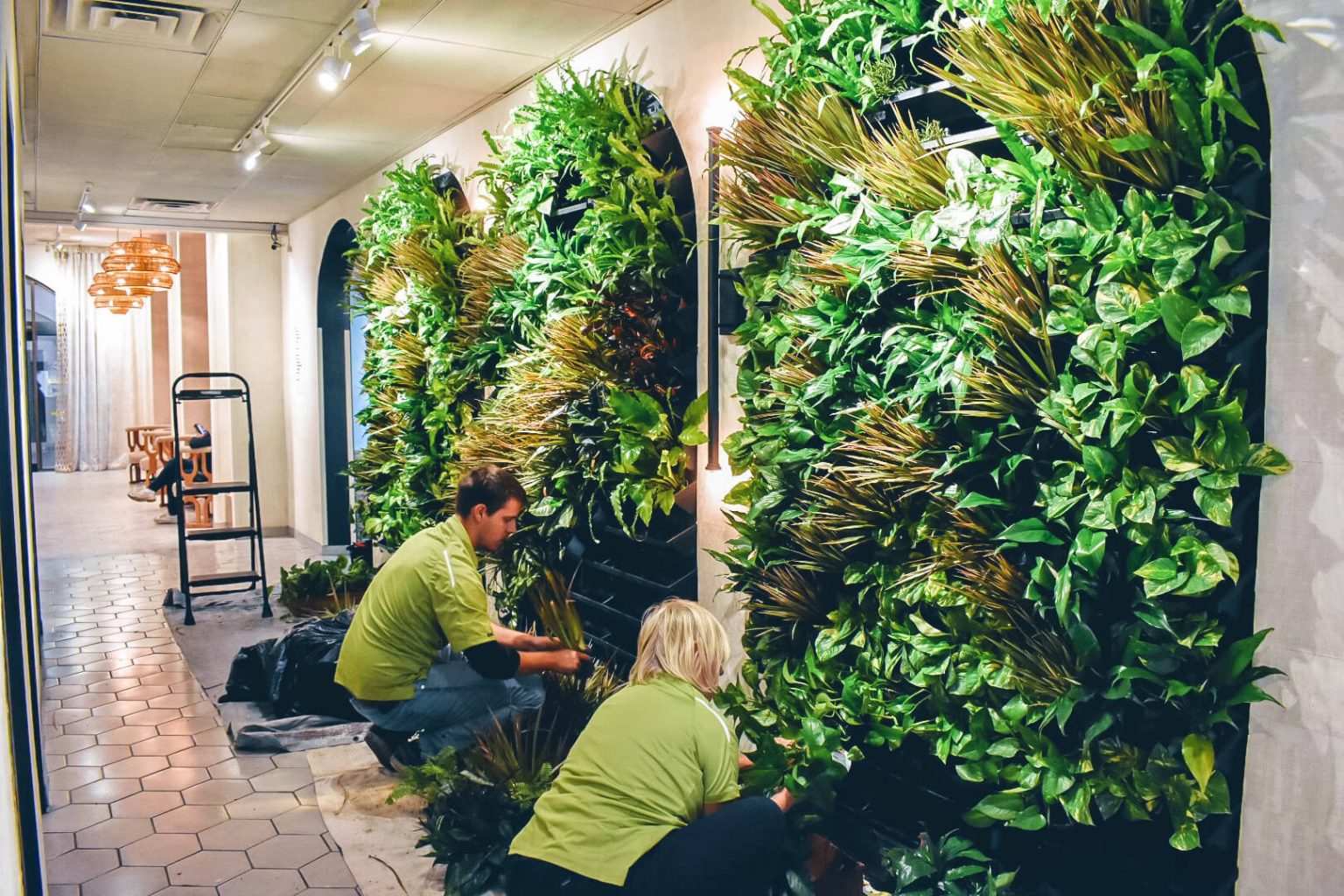
living plant walls
, while clarifying how they differ from other green wall solutions.
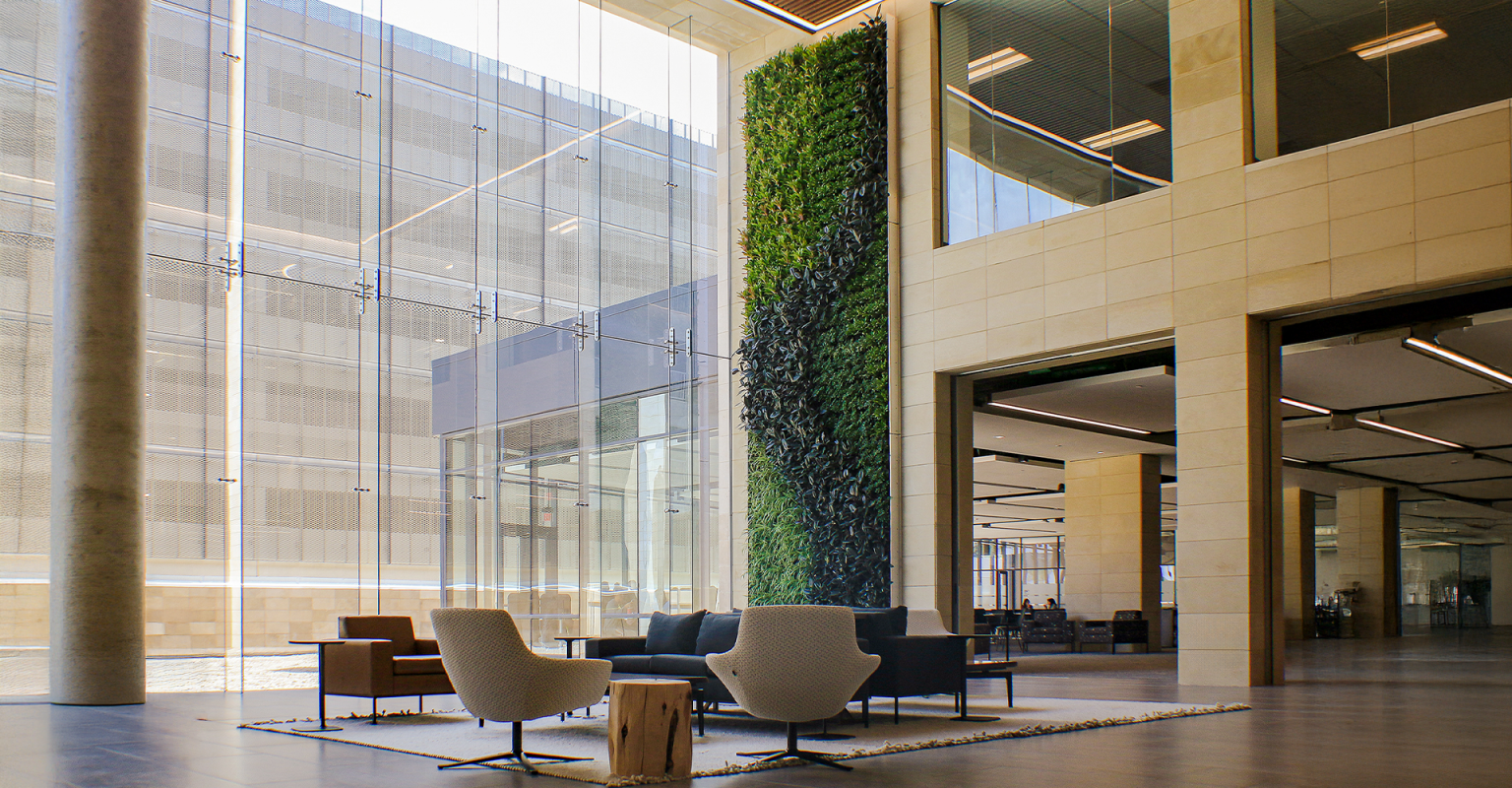
Not All Green Walls Are the Same
One of the most common misconceptions is that all green walls function alike. In practice, the term typically refers to one of three distinct systems:
- Living plant walls, composed of real, actively growing plants
- Preserved moss walls, made from natural moss treated to maintain its appearance without irrigation or lighting
- Artificial green walls, constructed from high-quality synthetic foliage
Each system serves a different purpose. Living plant walls provide environmental and experiential benefits through live vegetation, while moss and artificial walls deliver strong visual impact with minimal maintenance. Recognizing these distinctions allows teams to align design intent, performance expectations, and long-term investment.

What Does a Living Plant Wall Cost?
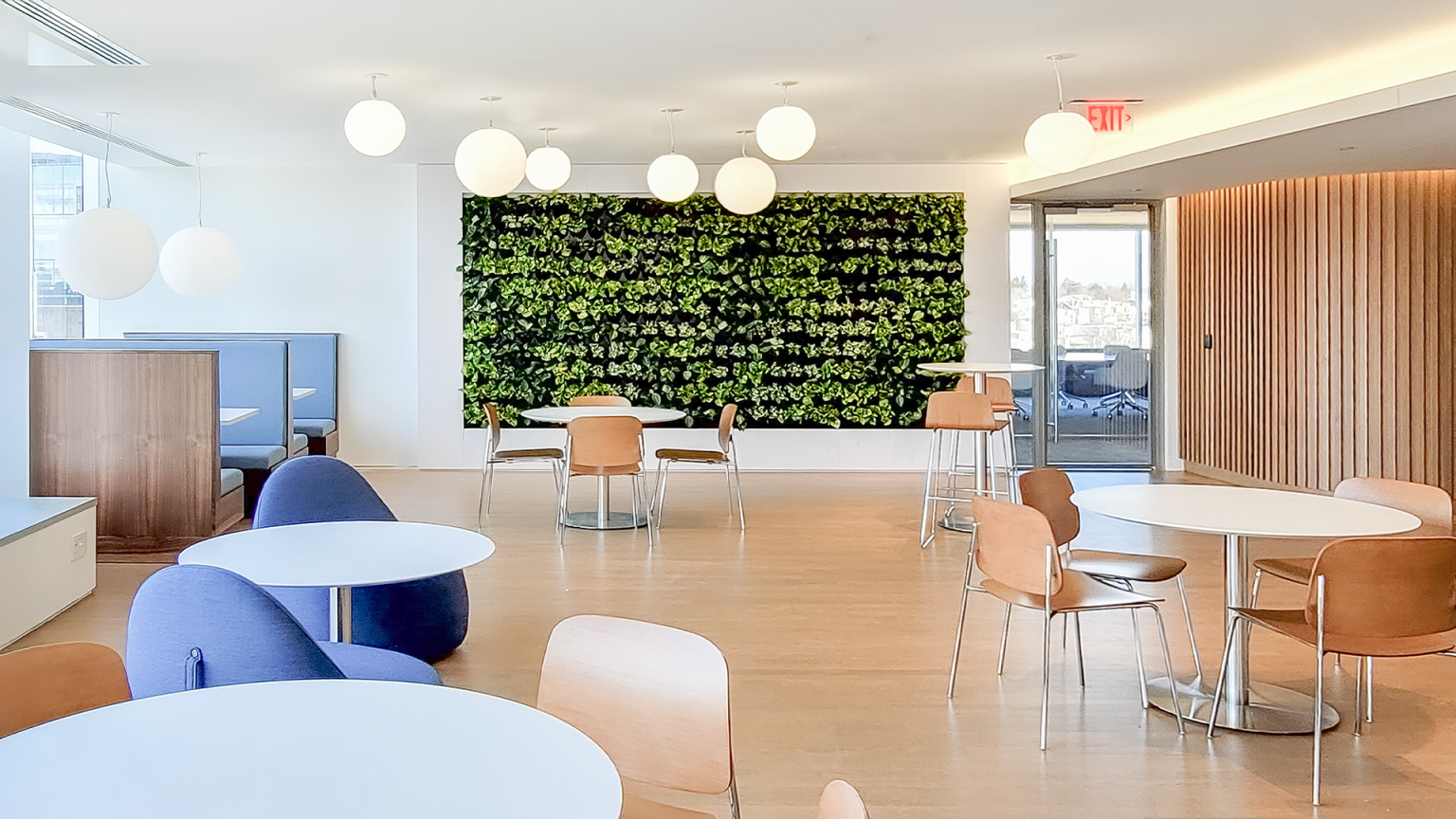
As a general guideline, professionally designed and installed living plant walls typically range from $175 to $250 per square foot. This range accounts for the coordination required among system design, plant selection, installation, and ongoing maintenance.
Because living plant walls are custom architectural features, costs will vary by project.
What Influences Living Plant Wall Cost?
Rather than isolating individual line items, it is more helpful to understand the primary factors that shape the overall cost of a living plant wall. These variables influence both the initial investment and long-term performance.
Plant Section and Design
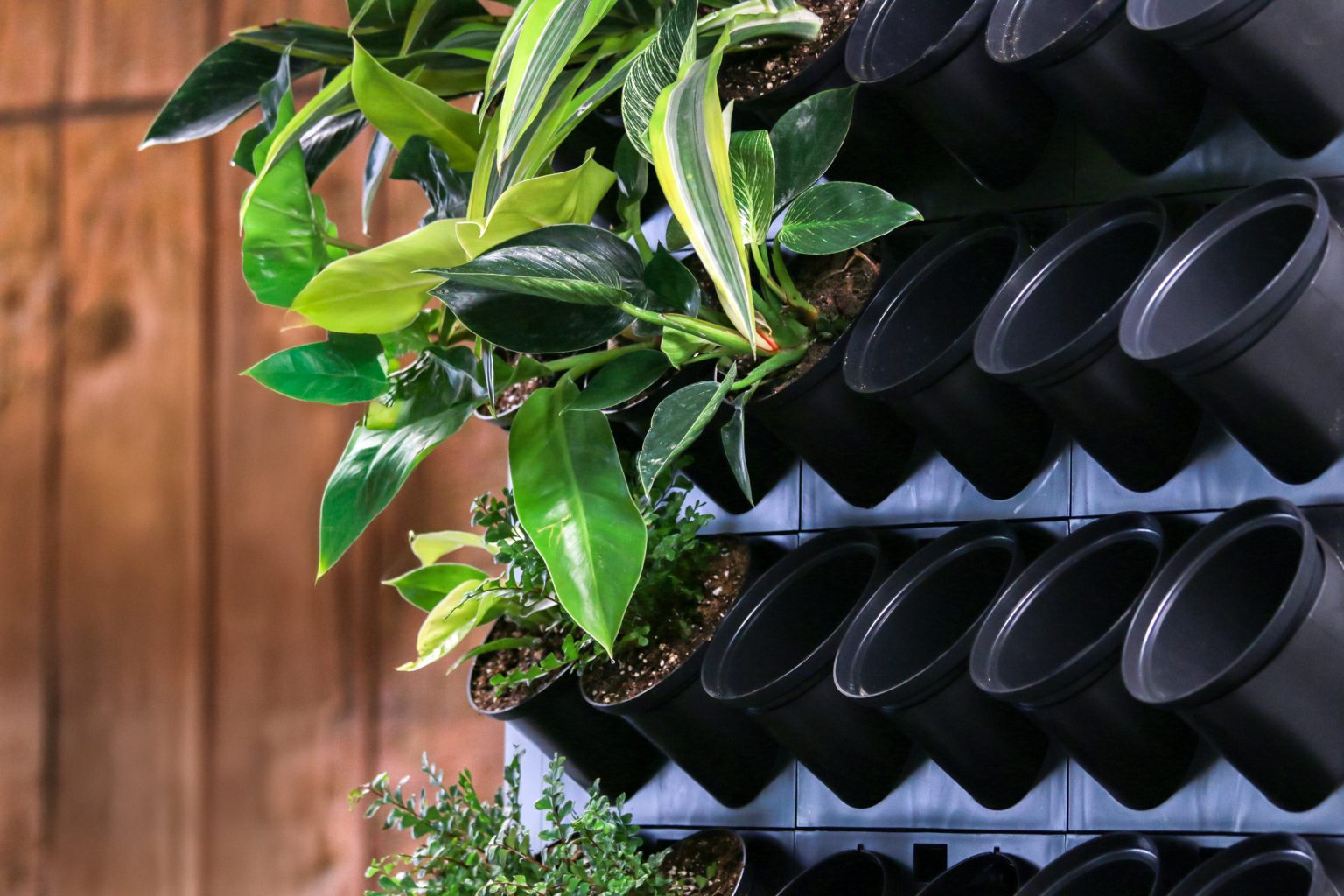
Plant selection affects not only aesthetics but also durability. Living plant walls require palettes tailored to available light, airflow, and interior conditions. Walls in challenging environments may require more controlled plant mixes or supplemental support systems, which can influence overall cost.
Mounting and Waterproofing
Depending on site conditions, a dedicated mounting structure may be required to support the system and protect the building envelope. Proper waterproofing and structural coordination are essential for long-term reliability and can affect installation complexity.
Irrigation and Water Management
Supplemental Lighting
Installation Conditions
Ongoing Care and Performance
All living plant walls require ongoing horticultural care. Maintenance typically includes pruning, system monitoring, fertilization, cleaning, and periodic plant replacement.
Proactive lifecycle planning protects the initial investment and helps ensure the wall continues to perform as intended over time.
FAQ
What are the lead times for Living Plant Walls?
Lead times are generally 4–6 weeks following shop drawing approval. Larger projects may require additional time to accommodate plant cultivation and coordination.
How long will the Living Plant Wall last?
With proper maintenance, the structural system is designed for long-term use. Individual plants may be replaced over time as part of normal lifecycle care.
How is the irrigation system connected to a water source?
Connections are typically completed by a licensed plumber based on project-specific shop drawings and system requirements.
Is water runoff required?
Yes. Controlled runoff helps prevent mineral buildup and supports plant health.
Where does runoff water go?
Automatic systems are typically connected to a drain or drainage assembly. Manual systems may use a contained catch basin depending on project conditions.